
When Grace Goes the Other Way
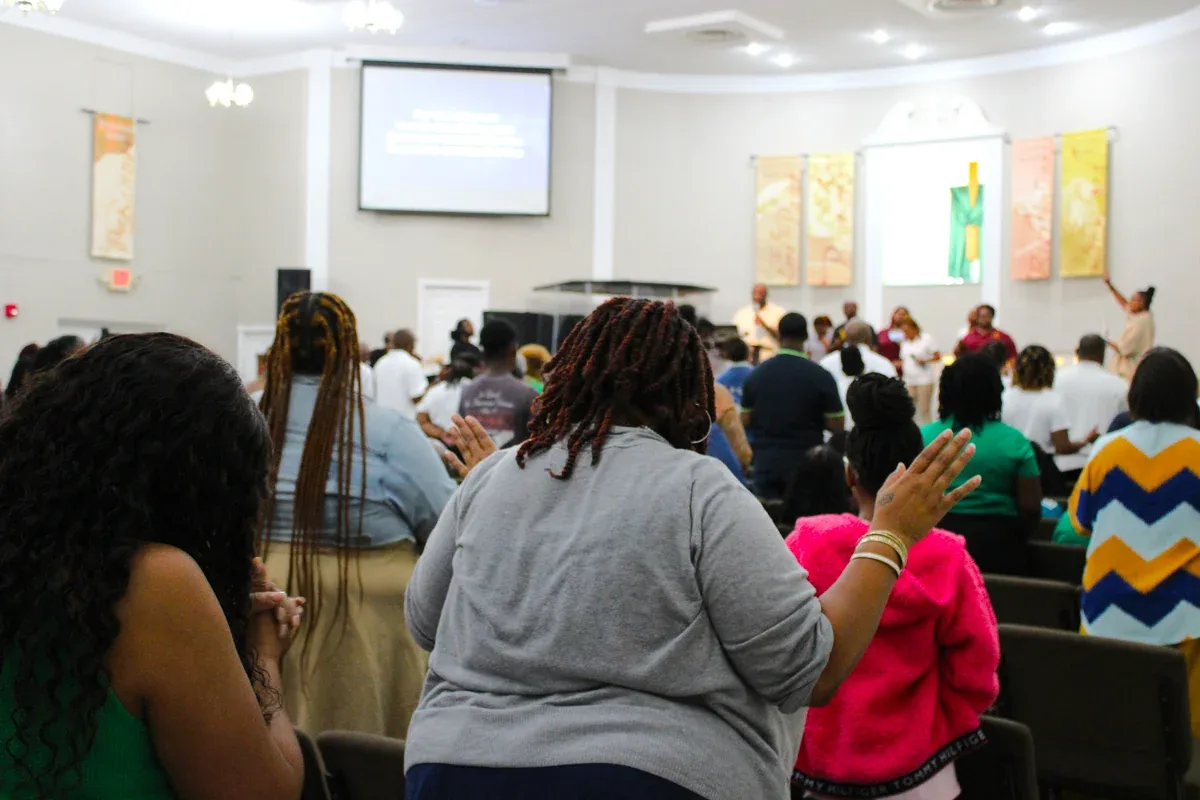
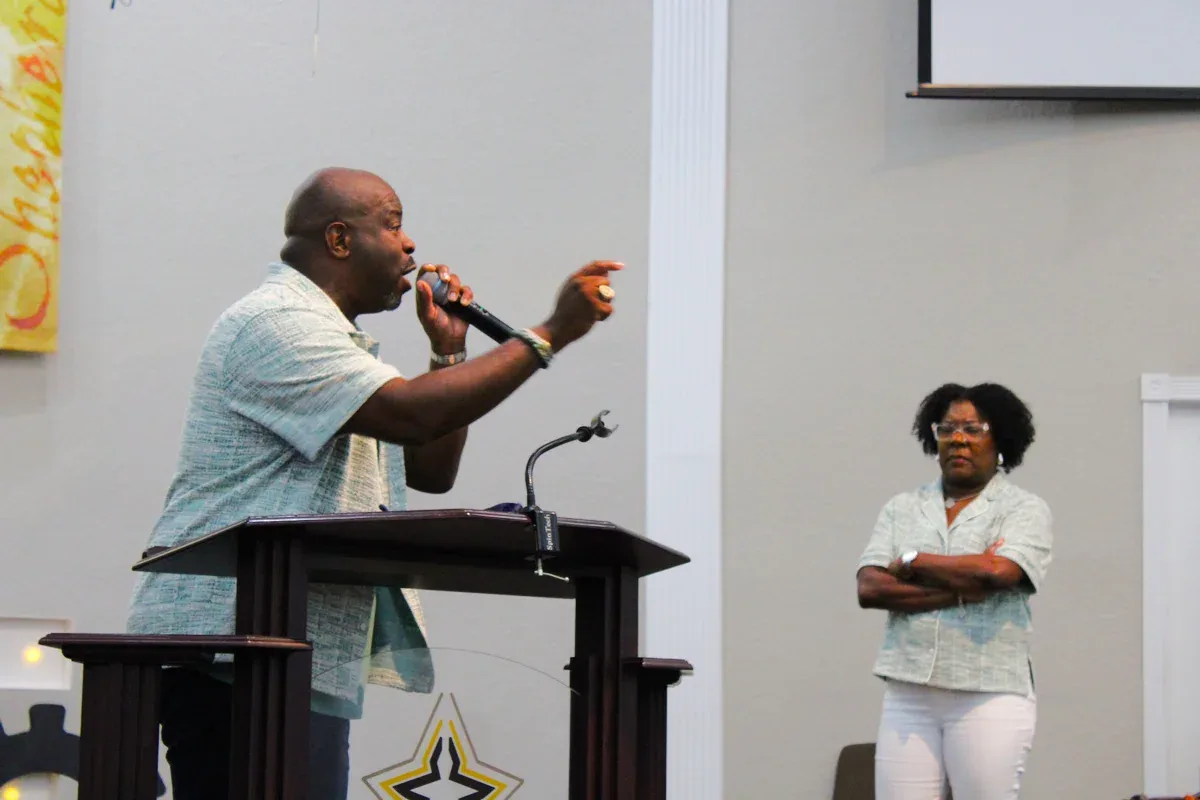
We gathered around 2 Samuel 12:13–24 to face the tension between God’s mercy and God’s justice. David is forgiven after confessing his sin, yet he still must live through consequences; the text teaches us that God is still good and worthy of worship even when God does not answer our prayers the way we hope.
We were called to remember that repentance removes guilt and restores relationship, but it doesn’t eliminate consequence. We were also challenged not to memorialize sinful chapters by holding on to “tokens of sin,” recognizing that God may interrupt processes to keep us from staying connected to what never should have defined us.
Finally, we were invited to maintain consistency in our worship—worshiping not to manipulate God’s hand, but worshiping with integrity both before and after God has moved. Even when grace seems to go “the other way,” we can still honor God, accept His discipline, and keep trusting Him with a surrendered life.
Related Sermons

Care For The Caregiver
Elder Bryant A. Hill, Sr. · Oct 18, 2026
From Luke 23:26, we saw how Jesus—our ultimate caregiver—was cared for in a moment of intense human need when Simon of Cyrene was seized and made to carry the cross behind Him. This moment invites us to take seriously the humanity of Jesus and the reality that even those who pour out for others can become weak, burdened, and in need of support. We were challenged to learn how to care well for the people who care for us by being cognizant of their needs, compelled to act, and willing to build t…

Managing My Mouth
Bishop Terry L. Hill, Jr. · Oct 11, 2026
In this final week of the "Managing Me" series, we were called to take stewardship of our words through James 3:1–12. The message challenged us to see that spiritual maturity is revealed in the ability to control what we say, because the tongue—though small—sets direction like a bit in a horse’s mouth or a rudder on a ship, and it can also do real damage like a spark that starts a forest fire. We were warned that our words don’t just describe our lives; they help direct and shape them, and car…

Manage Your Mind
Bishop Terry L. Hill, Jr. · Oct 4, 2026
We were called to deeper stewardship by learning to manage ourselves before we try to manage what God places in our hands. From Philippians 2:1–8, we embraced that our minds function like an operating system—shaping our attitudes, assumptions, beliefs, intentions, and behaviors—and that faithful living requires a renewed way of thinking that matches God’s ownership of our lives. Philippians 2 shows Jesus as our template for a well-managed mind. We were challenged to think like Christ by reject…