
The Citadel Church Logo
← Back to Sermons

I Did Not Want to Say Yes, but No Was Not an Option

Elder Iris RhettSunday, November 30, 20259am
📖 2 Samuel 12:15-23
From 2 Samuel 12:15–23, Elder Iris Rhett considers how to say yes to God when his answer is painful or unexpected. David’s grief and subsequent worship invite us to bring sorrow honestly to God while trusting his character. The message calls us to seek the Savior, respond with surrender, and hold on to hope beyond loss. We are encouraged to name what we need to release and take one step of obedience, trusting God to deepen our relationship with him and shape a legacy beyond our immediate circum
Key Points
1.
Faith means trusting God’s wisdom and goodness even when his answer breaks our heart.
2.
Bring pain to God with honest prayer and grief, then choose worship that doesn’t walk away.
3.
Surrendering our will draws us closer to God and deepens dependence on him in difficult seasons.
4.
Hold on to hope beyond loss, believing God can work a greater purpose and legacy through obedience.
5.
Ask God for the hardest yes, release what must be surrendered, and take one step of obedience.
📖 2 Samuel 12:15-23
[15] ¶ And Nathan departed unto his house. And the LORD struck the child that Uriah’s wife bare unto David, and it was very sick. [16] David therefore besought God for the child; and David fasted, and went in, and lay all night upon the earth. [17] And the elders of his house arose, and went to him, to raise him up from the earth: but he would not, neither did he eat bread with them. [18] And it came to pass on the seventh day, that the child died. And the servants of David feared to tell him that the child was dead: for they said, Behold, while the child was yet alive, we spake unto him, and he would not hearken unto our voice: how will he then vex himself, if we tell him that the child is dead? [19] But when David saw that his servants whispered, David perceived that the child was dead: therefore David said unto his servants, Is the child dead? And they said, He is dead. [20] Then David arose from the earth, and washed, and anointed himself, and changed his apparel, and came into the house of the LORD, and worshipped: then he came to his own house; and when he required, they set bread before him, and he did eat. [21] Then said his servants unto him, What thing is this that thou hast done? thou didst fast and weep for the child, while it was alive; but when the child was dead, thou didst rise and eat bread. [22] And he said, While the child was yet alive, I fasted and wept: for I said, Who can tell whether GOD will be gracious to me, that the child may live? [23] But now he is dead, wherefore should I fast? can I bring him back again? I shall go to him, but he shall not return to me.
Sermon Summary

From 2 Samuel 12:15–23, Elder Iris Rhett considers how to say yes to God when his answer is painful or unexpected. David’s grief and subsequent worship invite us to bring sorrow honestly to God while trusting his character.

The message calls us to seek the Savior, respond with surrender, and hold on to hope beyond loss. We are encouraged to name what we need to release and take one step of obedience, trusting God to deepen our relationship with him and shape a legacy beyond our immediate circumstances.

Related Sermons

Care For The Caregiver

Care For The Caregiver

Elder Bryant A. Hill, Sr. · Oct 18, 2026

From Luke 23:26, we saw how Jesus—our ultimate caregiver—was cared for in a moment of intense human need when Simon of Cyrene was seized and made to carry the cross behind Him. This moment invites us to take seriously the humanity of Jesus and the reality that even those who pour out for others can become weak, burdened, and in need of support. We were challenged to learn how to care well for the people who care for us by being cognizant of their needs, compelled to act, and willing to build t…

Managing My Mouth

Managing My Mouth

Bishop Terry L. Hill, Jr. · Oct 11, 2026

In this final week of the "Managing Me" series, we were called to take stewardship of our words through James 3:1–12. The message challenged us to see that spiritual maturity is revealed in the ability to control what we say, because the tongue—though small—sets direction like a bit in a horse’s mouth or a rudder on a ship, and it can also do real damage like a spark that starts a forest fire. We were warned that our words don’t just describe our lives; they help direct and shape them, and car…

Manage Your Mind

Manage Your Mind

Bishop Terry L. Hill, Jr. · Oct 4, 2026

We were called to deeper stewardship by learning to manage ourselves before we try to manage what God places in our hands. From Philippians 2:1–8, we embraced that our minds function like an operating system—shaping our attitudes, assumptions, beliefs, intentions, and behaviors—and that faithful living requires a renewed way of thinking that matches God’s ownership of our lives. Philippians 2 shows Jesus as our template for a well-managed mind. We were challenged to think like Christ by reject…
Watch Live Online

Not Ready To Attend In Person Yet?

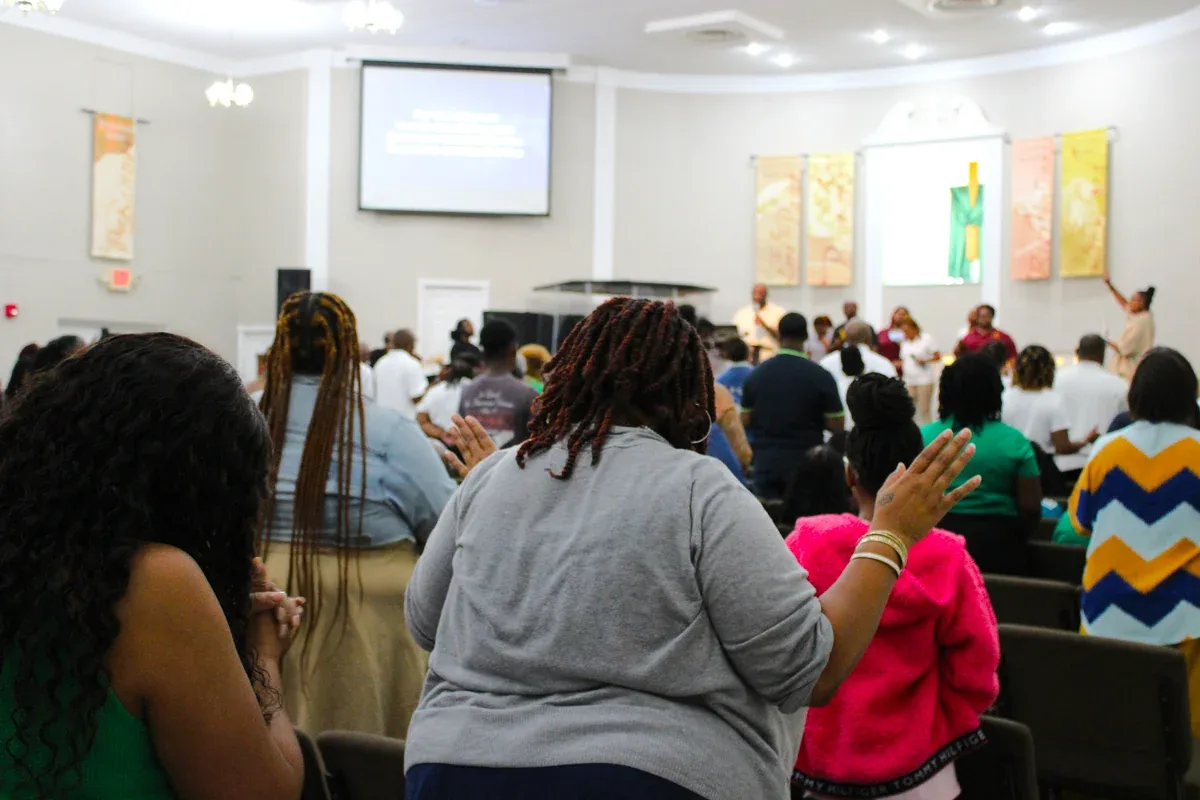
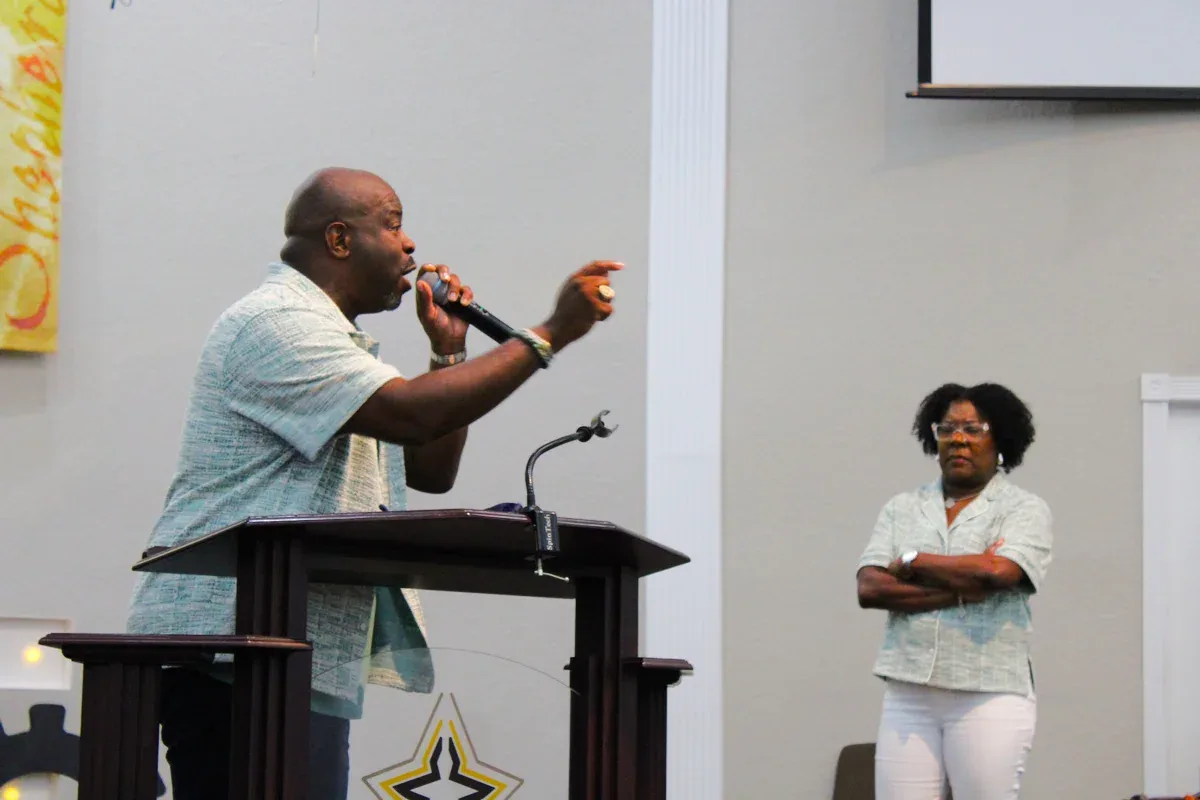
Not ready yet? That is okay. You are always welcome to attend worship, events, and services as you explore faith at your own pace. Join The Citadel Church live online on YouTube and Facebook for Sunday worship and Tuesday Bible study.

The Citadel Church

Home

Sermons

Events

Menu

The Citadel Church Logo

Home

Sermons

Events

Members

Giving

Contact

Loading...

Unable to load passage

The reference “” could not be found.