
Expected Thanks
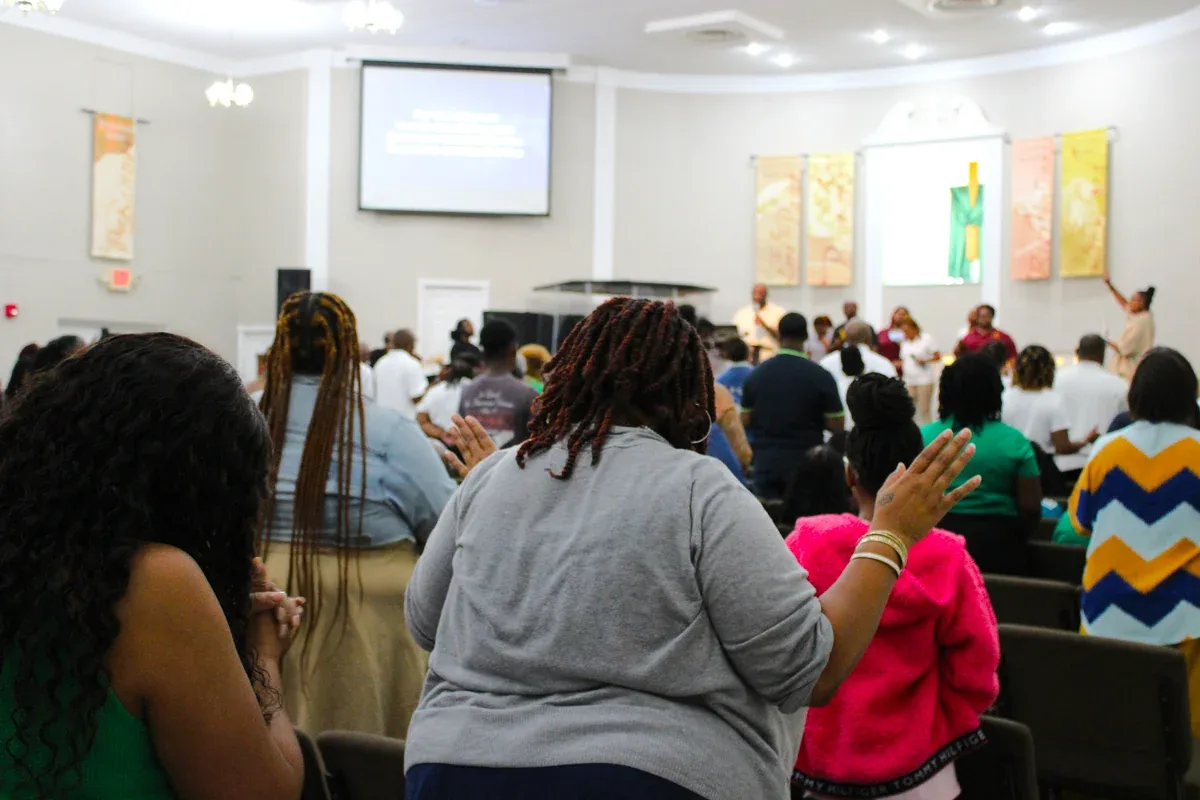
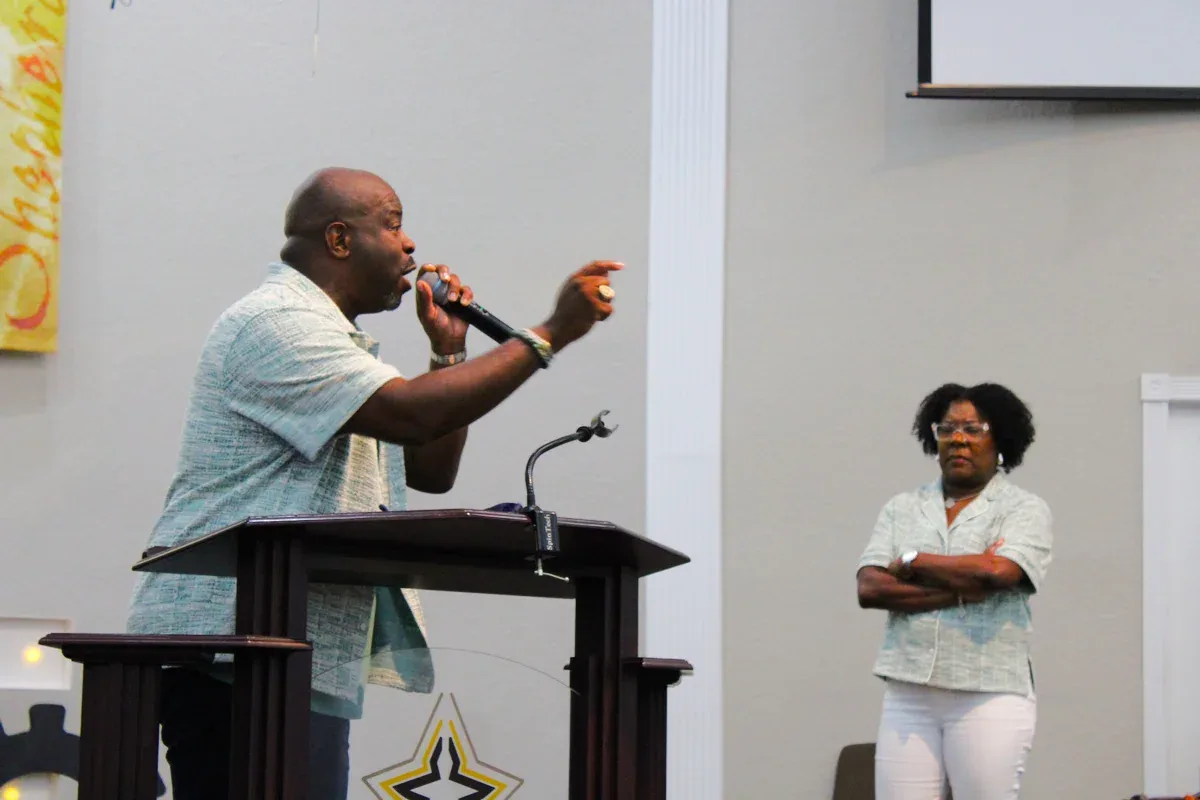
We heard from Luke 17:11-19 and saw Jesus heal ten men with leprosy, yet only one returned to thank Him. This passage confronted us with the truth that gratitude isn’t optional—thanks is expected from those who know they’ve received mercy, healing, and help from God.
We were challenged not to ignore the source of our blessings or dismiss the methods God uses to bring healing and deliverance, even when He works privately and without spectacle. The message called us to make our thanksgiving as public as our requests, refusing a quiet gratitude when our need and God’s answer were visible.
As we practice “expected thanks,” we’re invited to return like the one who came back—giving God the glory He deserves. Our gratitude elevates our witness, frees us from needing external validation, and deepens what God has done so that healing becomes wholeness and preservation.
Related Sermons

Care For The Caregiver
Elder Bryant A. Hill, Sr. · Oct 18, 2026
From Luke 23:26, we saw how Jesus—our ultimate caregiver—was cared for in a moment of intense human need when Simon of Cyrene was seized and made to carry the cross behind Him. This moment invites us to take seriously the humanity of Jesus and the reality that even those who pour out for others can become weak, burdened, and in need of support. We were challenged to learn how to care well for the people who care for us by being cognizant of their needs, compelled to act, and willing to build t…

Managing My Mouth
Bishop Terry L. Hill, Jr. · Oct 11, 2026
In this final week of the "Managing Me" series, we were called to take stewardship of our words through James 3:1–12. The message challenged us to see that spiritual maturity is revealed in the ability to control what we say, because the tongue—though small—sets direction like a bit in a horse’s mouth or a rudder on a ship, and it can also do real damage like a spark that starts a forest fire. We were warned that our words don’t just describe our lives; they help direct and shape them, and car…

Manage Your Mind
Bishop Terry L. Hill, Jr. · Oct 4, 2026
We were called to deeper stewardship by learning to manage ourselves before we try to manage what God places in our hands. From Philippians 2:1–8, we embraced that our minds function like an operating system—shaping our attitudes, assumptions, beliefs, intentions, and behaviors—and that faithful living requires a renewed way of thinking that matches God’s ownership of our lives. Philippians 2 shows Jesus as our template for a well-managed mind. We were challenged to think like Christ by reject…