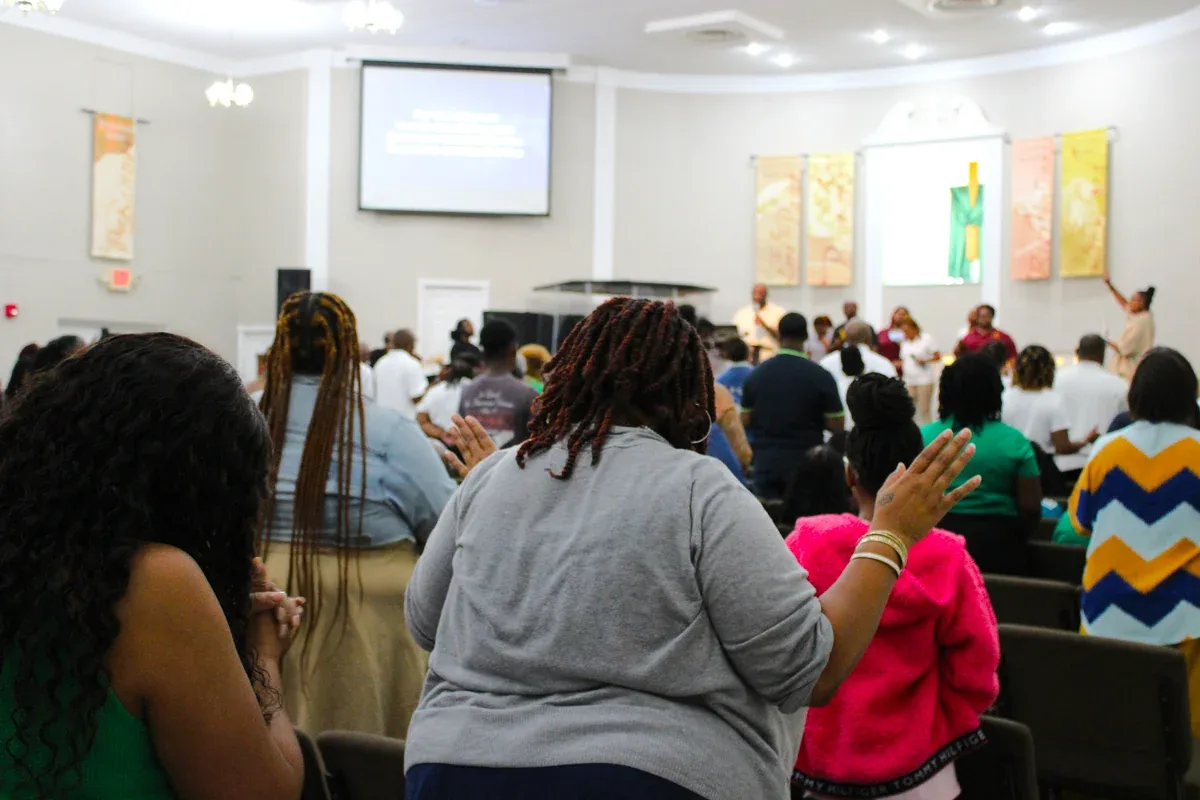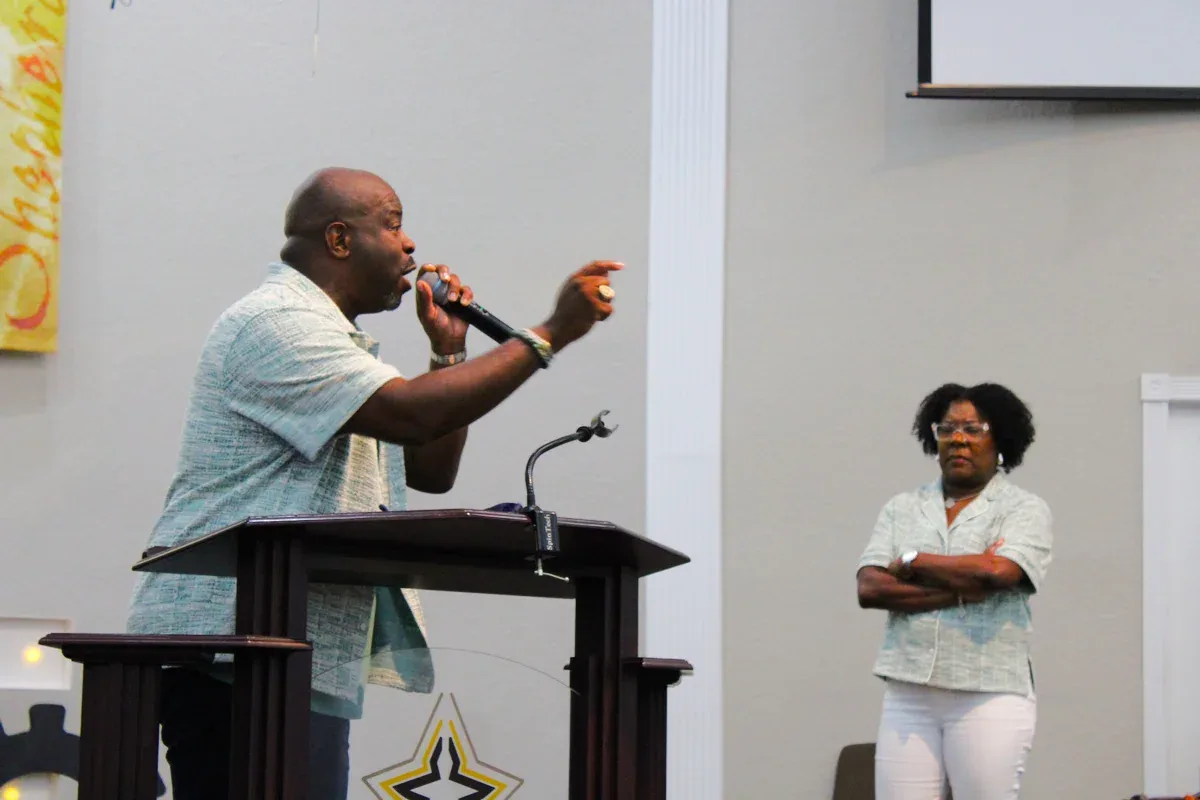

Engaging Transition Part 2
Genesis 12:1–9, especially verses 6–7, frames Abram’s arrival in a land already occupied by the Canaanites. Continuing Engaging Transition, the message moves from recognizing God’s voice and following His direction to trusting His character. Obedience does not always remove opposition or produce an immediately clear path.
God’s appearance to Abram and Abram’s decision to build an altar become the central response to that difficulty. The message calls listeners to worship while waiting, to distinguish God’s word from intimidating appearances, and to renew their commitment to obedience. The closing application emphasizes that God’s process still requires dependence on God’s power.
Related Sermons

The Gift of Goodbye
Bishop Terry L. Hill, Jr. · Jul 14, 2024
Continuing Engaging Transition, the message moves from Genesis 12 to Genesis 13:5–8 and 14–18. Abram and Lot have both prospered, but the land cannot support their households together. Their separation becomes the setting for considering necessary endings and the possibility of saying goodbye without turning a relationship into an enemy. Three gifts frame the exposition: a return to complete obedience, an expansion of the promise, and protection of that promise for those who come afterward. Abr

I Didn’t See That Coming
Bishop Terry L. Hill, Jr. · Jun 30, 2024
Genesis 12:10 places a severe famine immediately after Abram’s arrival in the land of promise. Continuing Engaging Transition, the message considers the confusion of obeying God and then encountering dried-up resources, closed opportunities or a loss of peace. The famine becomes a challenge to trust God without assuming that difficulty proves the journey was mistaken. Abram’s temporary move to Egypt provides the central application: adapt when circumstances require it, while remembering the dif

Engaging Transition
Bishop Terry L. Hill, Jr. · Jun 2, 2024
Genesis 12:1–6 introduces Engaging Transition through Abram’s response to God’s call to leave familiar surroundings. The message places seasons of growth, graduation and promotion within a process that can be uncomfortable. Transition is presented as part of God’s work of developing people, rather than simply the interval before a desired outcome. The first lesson is to recognize God’s voice. Abram’s willingness to move becomes a call to distinguish God’s direction from other voices and from pe